

COMMUNITY
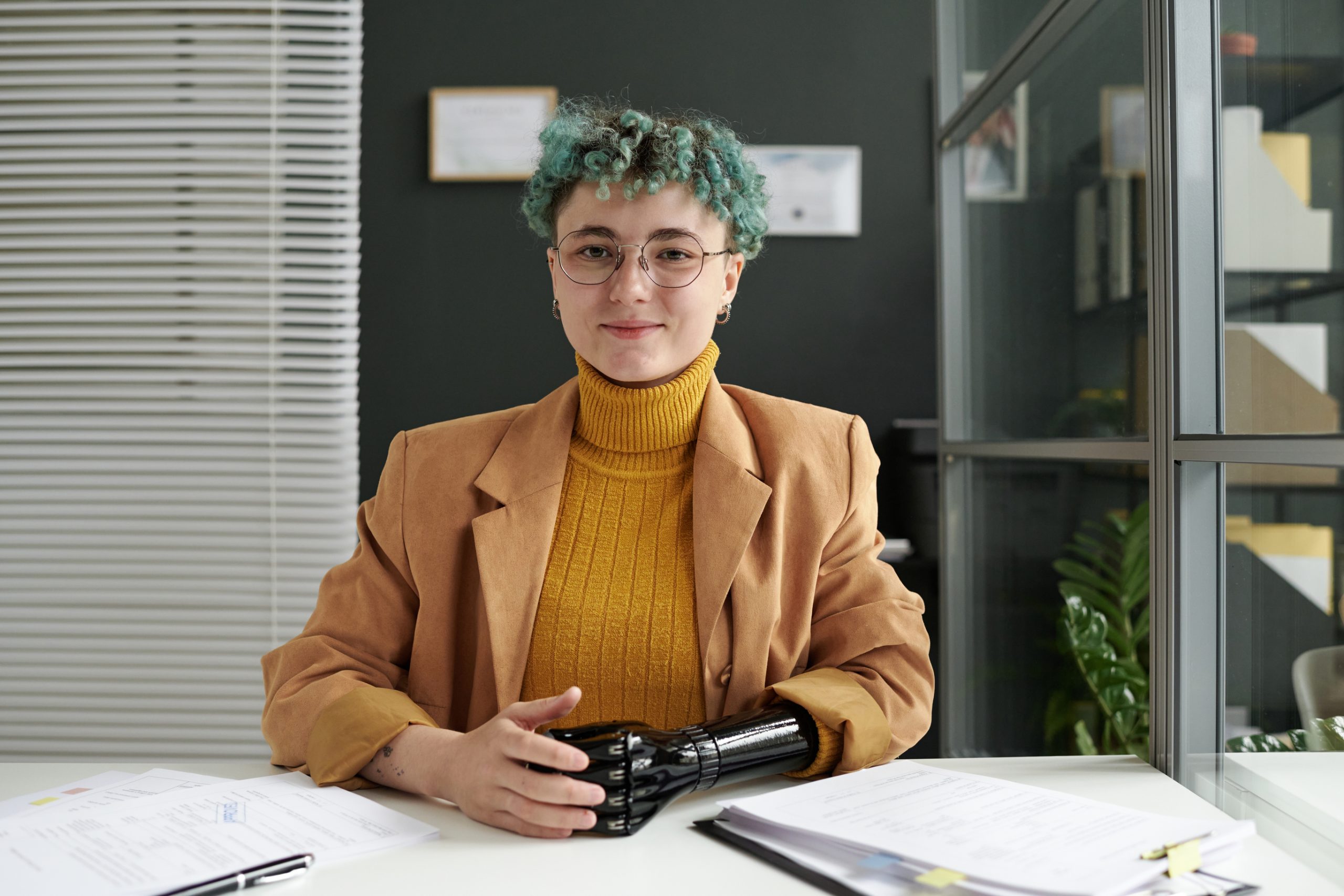
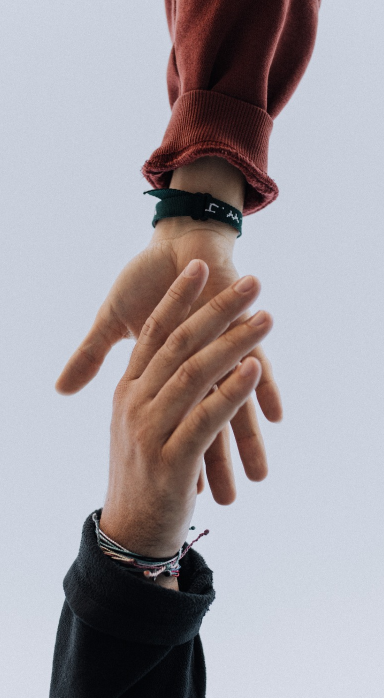
MSDCI fosters connections between disability student groups at medical schools across the country and between our chapters and near-peer mentors. By developing new chapters, we broaden the reach of disability advocacy and further normalize disability in medical students and trainees.

ADVOCACY
Our programming is heavily focused on bringing disability awareness into medical communities. MSDCI provides shared resources and strategies for effective advocacy and seeks to illuminate the intersectional role of the disability community in social justice efforts.

EDUCATION
MSDCI is dedicated to improving accessibility for students and trainees with disabilities or chronic illnesses. We are creating resource guides with tips and tricks to help navigate the medical journey and documents to guide accessibility changes at medical institutions.

Accessibility
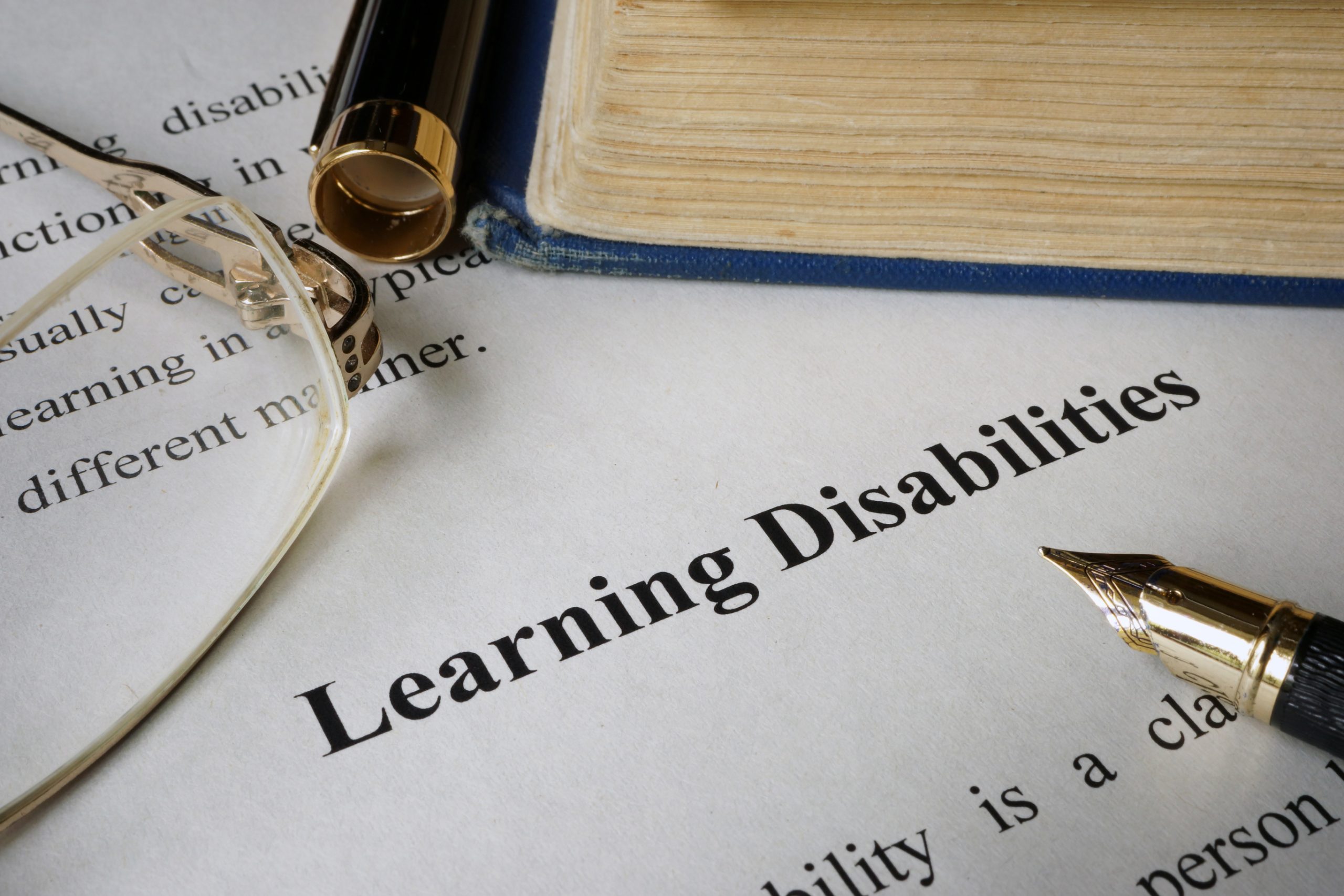
We believe that disability education is essential for addressing bias against disabled providers and advancing health equity for patients with disabilities. Through curricular recommendations, clinical skills projects, and examinations of technical standards at our institutions, we seek to improve medical education for patients and providers alike.

Help build community for medical trainees with disabilities and chronic illnesses! We’re recruiting physician Pod Leaders to help lead our mentorship groups. Medical students and premeds are also encouraged to apply as mentors and mentees! Apply using the links or QR codes above
2
Contribute to knowledge about our #DisabledMedicalStudents community!
Take our member's anonymous, online, 15-30 min thesis survey:
⭐️
More info below!
#DocsWithDisabilities #DisabledDoctors #MedTwitter
Hey all!
Please consider sharing your experiences navigating medicine with disability/chronic illness the anonymous survey for my Epidemiology MS thesis (and Anthropology PhD)
💫http://tinyurl.com/MedDisabilitySurvey26
Details below!
1/3
"We hope that the success of our programs helps show how structured peer support and proactive administrative collaboration are instrumental in fostering a truly inclusive medical school culture."
-Adrienne Lodise,BS, MPH, MS3, Warren Alpert Medical School of Brown University