Grouped by topic, this is our best attempt at a comprehensive disability bookshelf. Not all books out there have been included, but we have added our top picks for a well-rounded collection, as well as some personal favorites.
Basics:
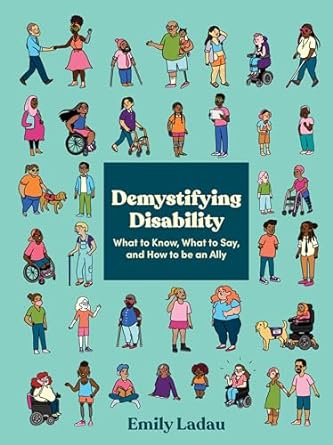
Demystifying Disability: https://amzn.to/3WieSNy
If you’re going to get one book, get this book. It’s the strongest overall foundation, covering a broad range of topics and is a very approachable read.
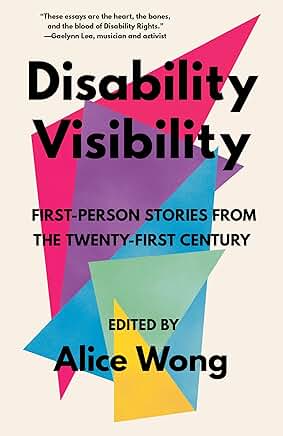
Disability Visibility: https://amzn.to/3xZzOQ0
This series of essays exemplifies the wide range of disabled experiences, in the voices of the disabled people themselves. A classic option and a good place to start.
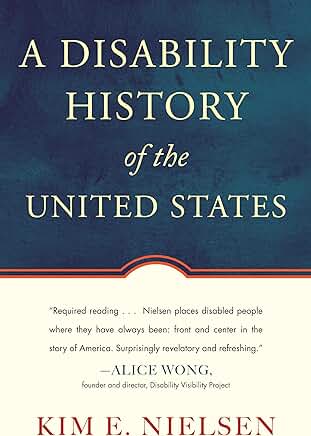
A Disability History of the United States: https://amzn.to/3LkSHA6
Starting with pre-colonial America, this book is a thorough examination of the history of our community and how perceptions, lived experiences and legal frameworks have evolved over time.
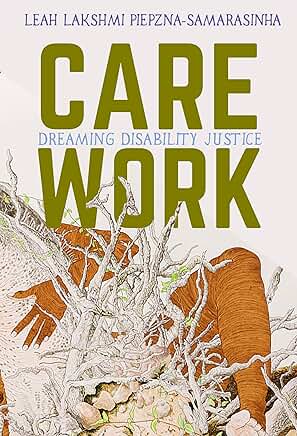
Care Work: Dreaming Disability Justice: https://amzn.to/3VZl1wX
This book details how disabled communities come together to support each other and details how disabled lives are lived. A truly mind-changing book and an absolutely worthwhile read.
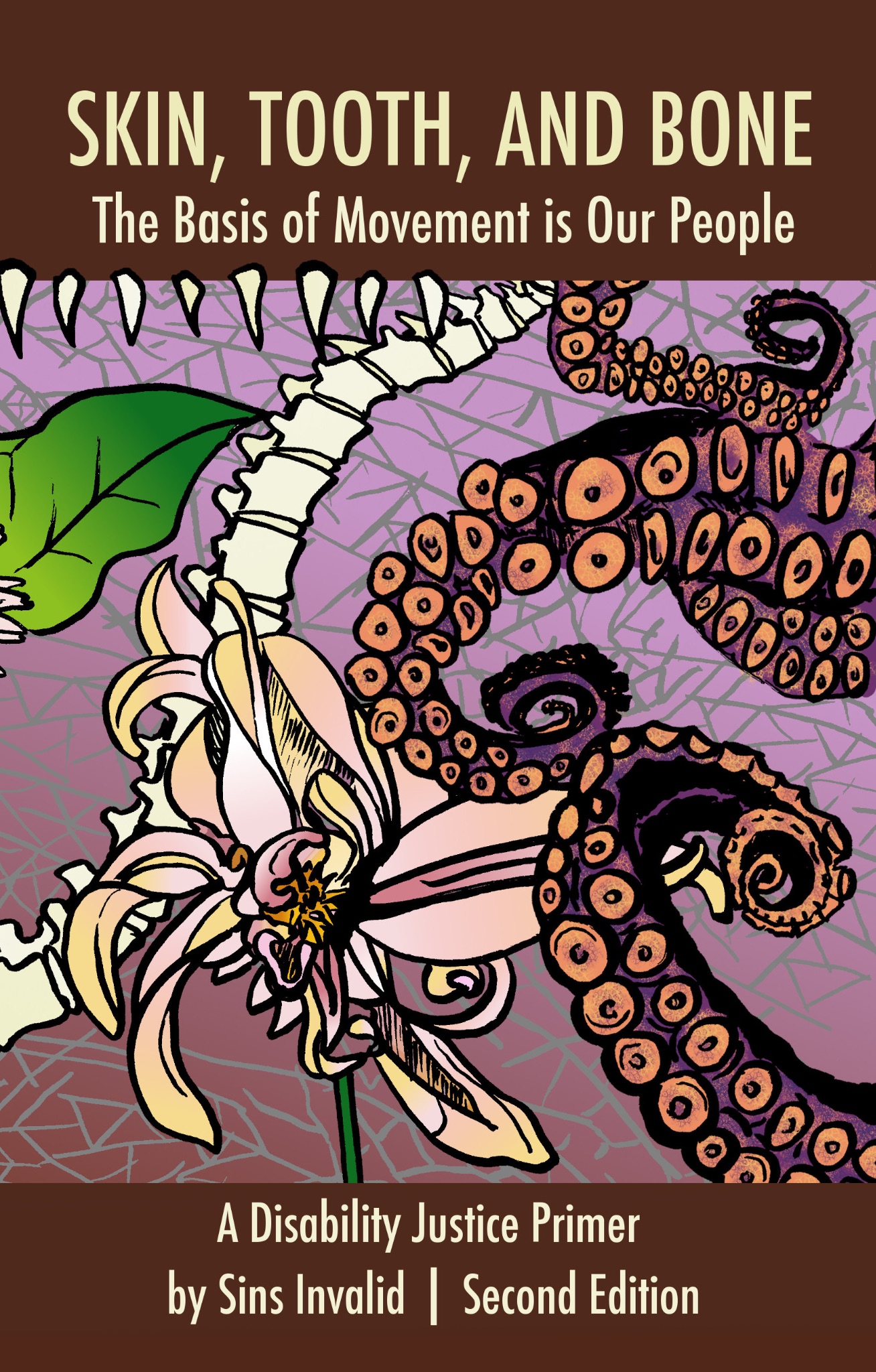
Skin, Tooth and Bone: https://www.flipcause.com/secure/reward_step2/OTMxNQ==/65827
Only available through the Sins Invalid website (aka not available on Amazon), Skin, Tooth and Bone is a foundational disability justice primer and is a must-read for anyone wanting to do work in the realm of disability justice.
Disability Theory and Beyond:
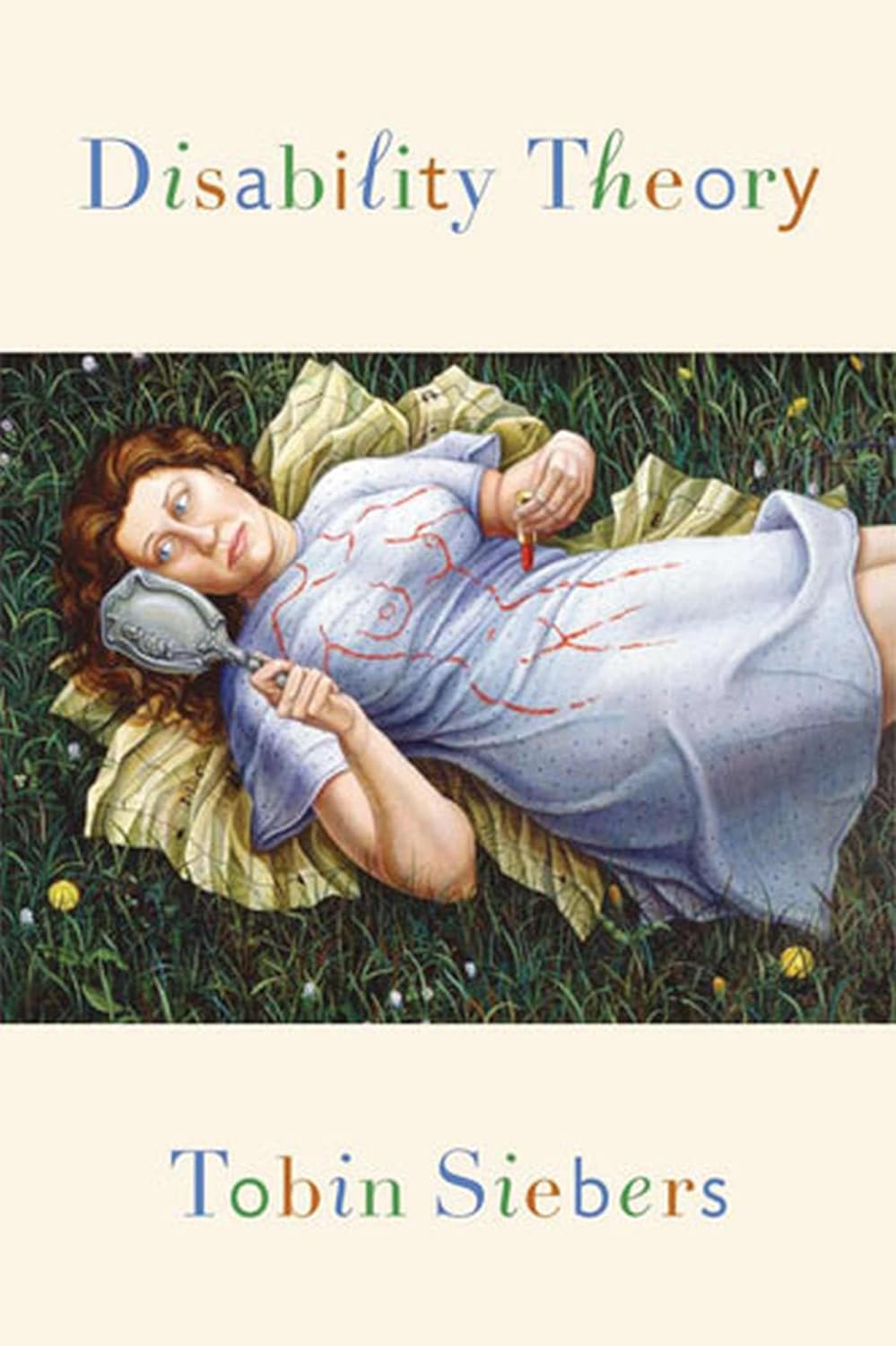
Disability Theory: https://amzn.to/45YkuzU
By Tobin Siebers, this foundational work puts forward a cogent argument for the importance of the field of disability studies.
Disability Aesthetics: https://amzn.to/4eRm9eF
Also by Tobin Siebers, this book examines the relationship between disability, visual culture and modern art, as well as disability and the built environment.

Feminist, Queer, Crip: https://amzn.to/3LpPIGp
This foundational text by Alison Kafer posits the idea of crip futurism and speaks on intersectional advocacy.

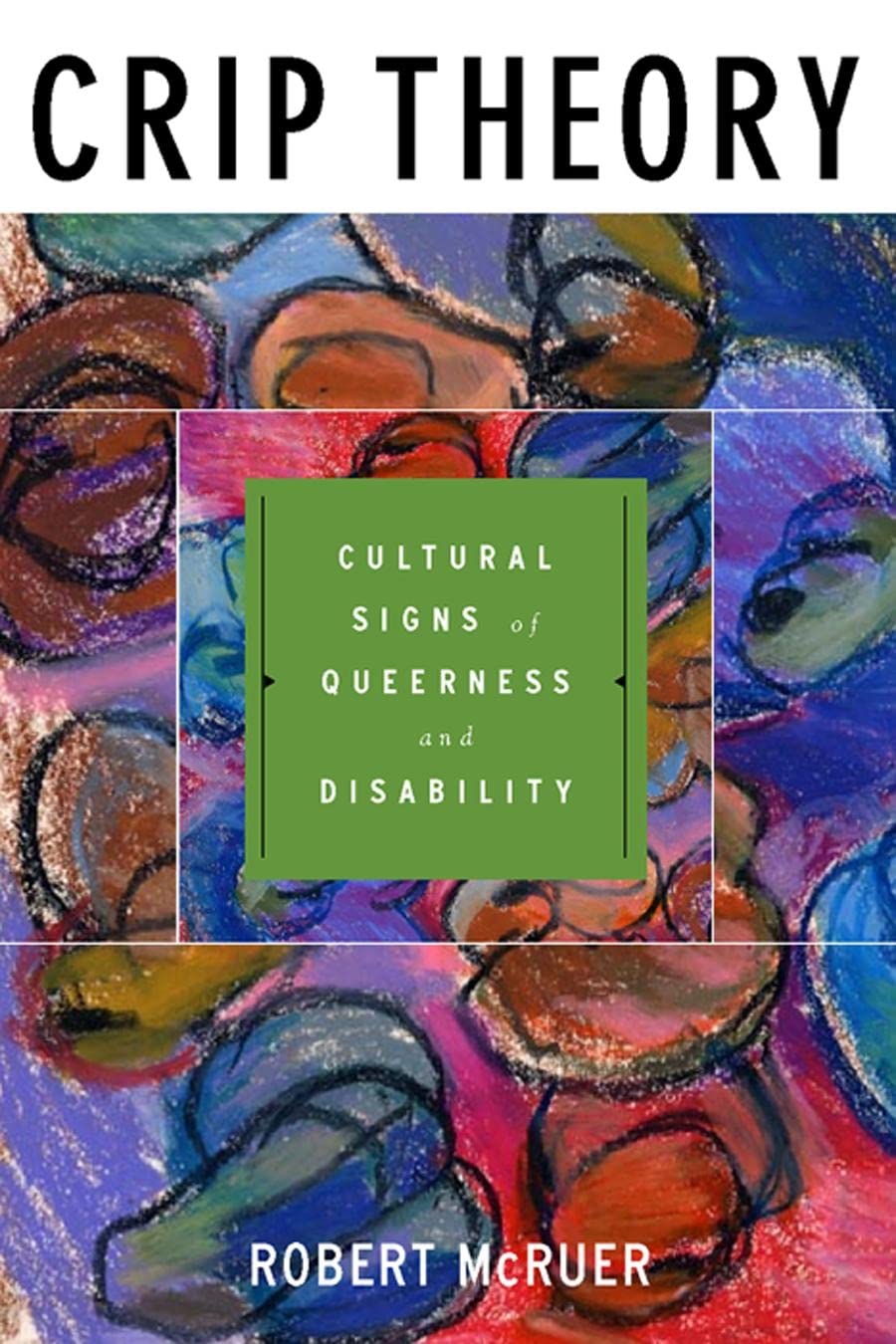
Crip Theory: https://amzn.to/3S22grf
This book outlined Crip Theory, a blending of queer theory and disability theory due to the similarities in lived experiences between queer and disabled persons.
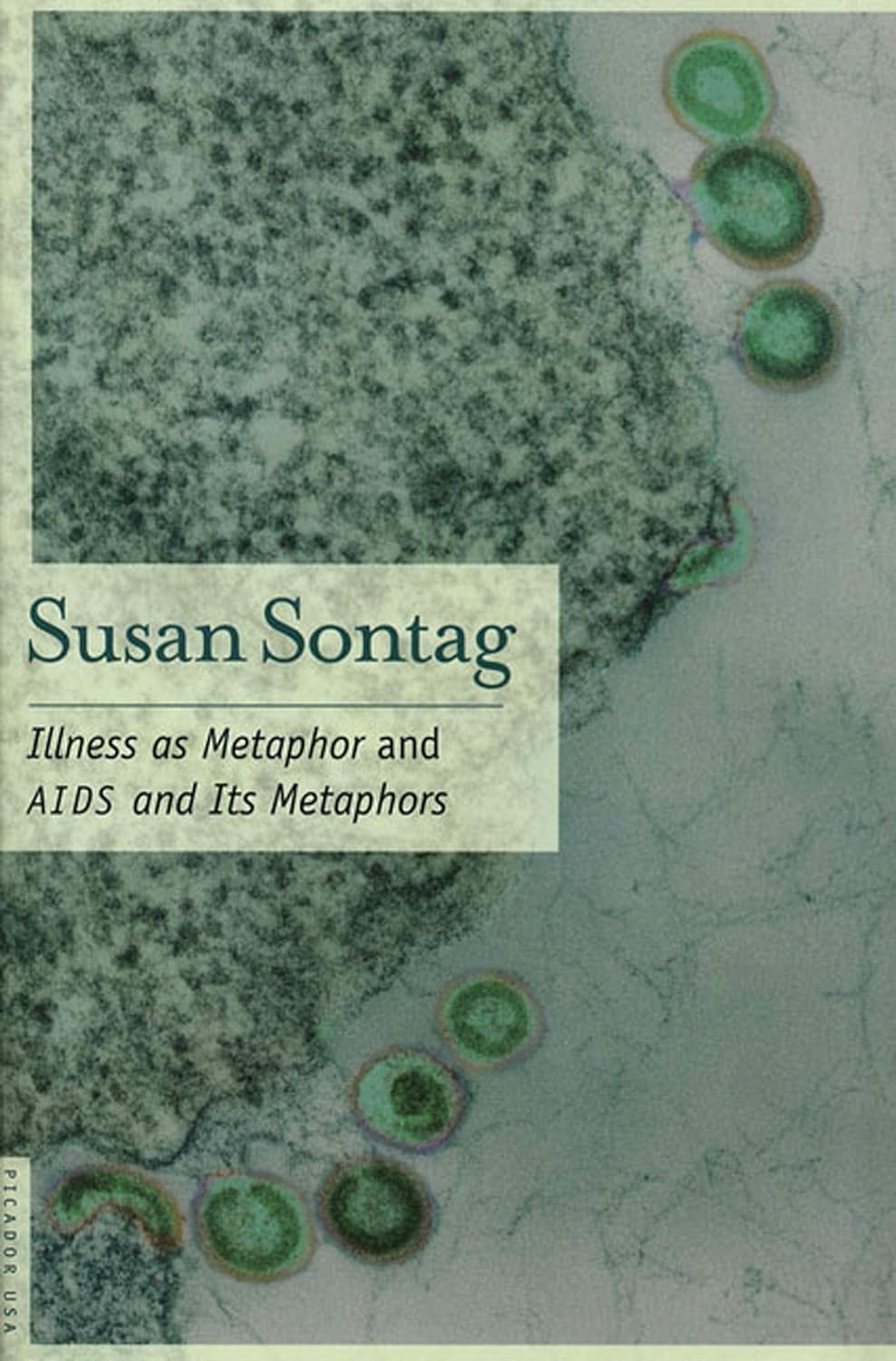
Illness as Metaphor and AIDS and Its Metaphors: https://amzn.to/4eZ4x0s
These essays by Susan Sontag examine the metaphors and cultural stigmas around disease and disability. A quick yet impactful read.
Sex and Disability:
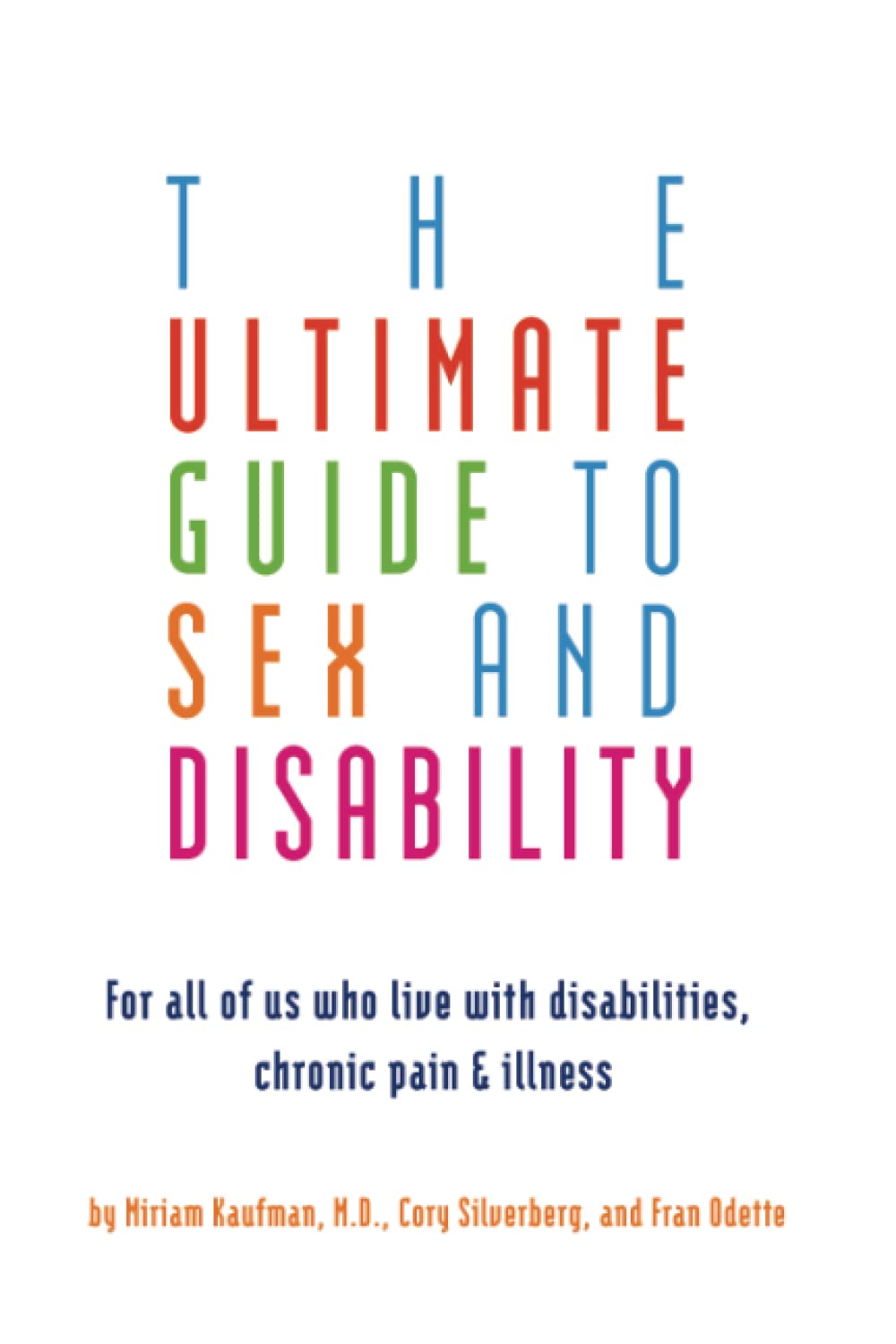
The Ultimate Guide to Sex and Disability: https://amzn.to/3LjMsMQ
This book, while on the older side, provides practical advice regarding avenues for sexual expression for people with disabilities, as well as addressing systemic and structural barriers to sexuality for disabled people.
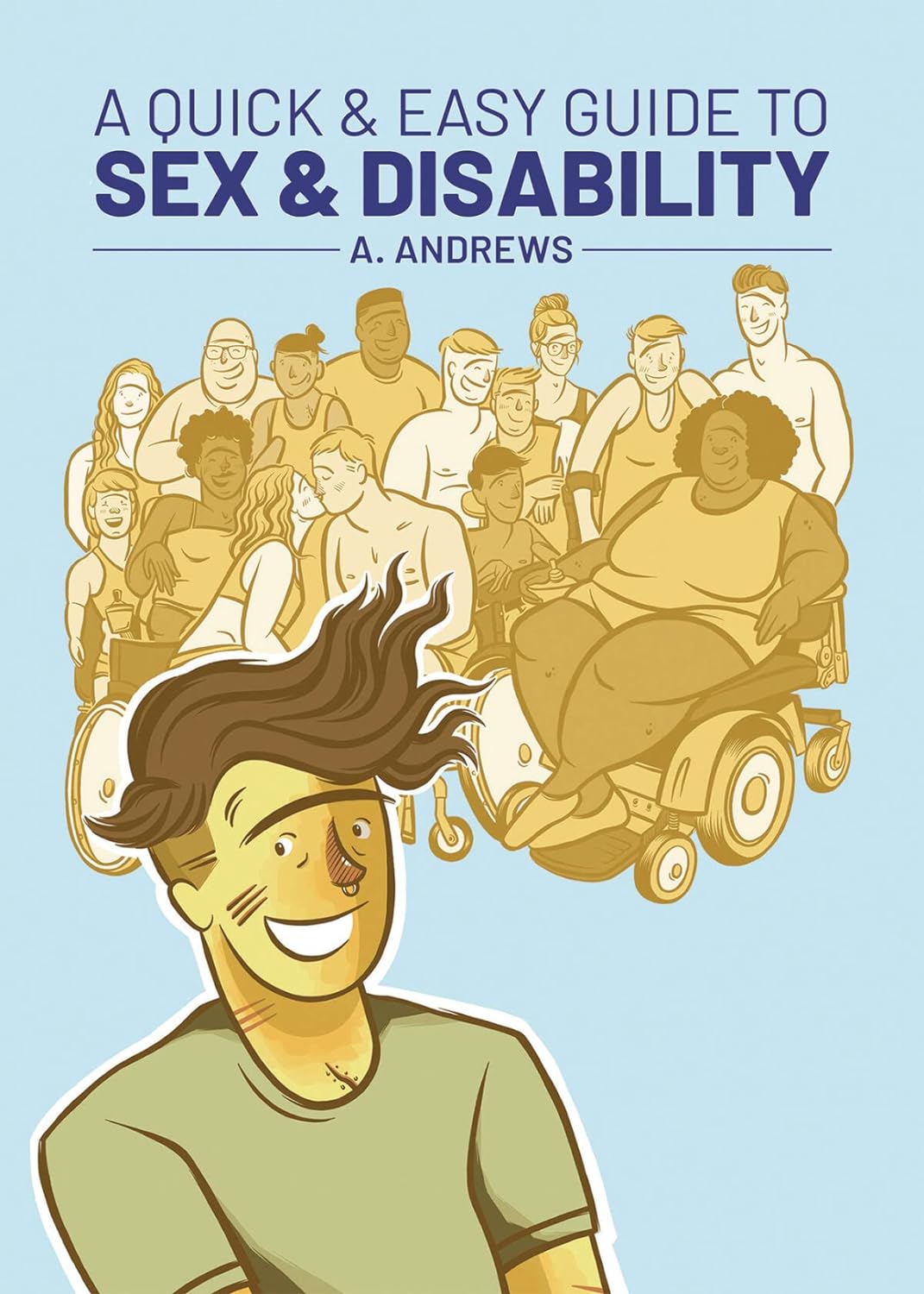
A Quick and Easy Guide to Sex and Disability: https://amzn.to/463F3Lo
This short read is largely focused on acceptance and how to start conversations. It has workbook space and is a good starting point for people looking to have more conversations around the interactions of their disability and sexual expression.
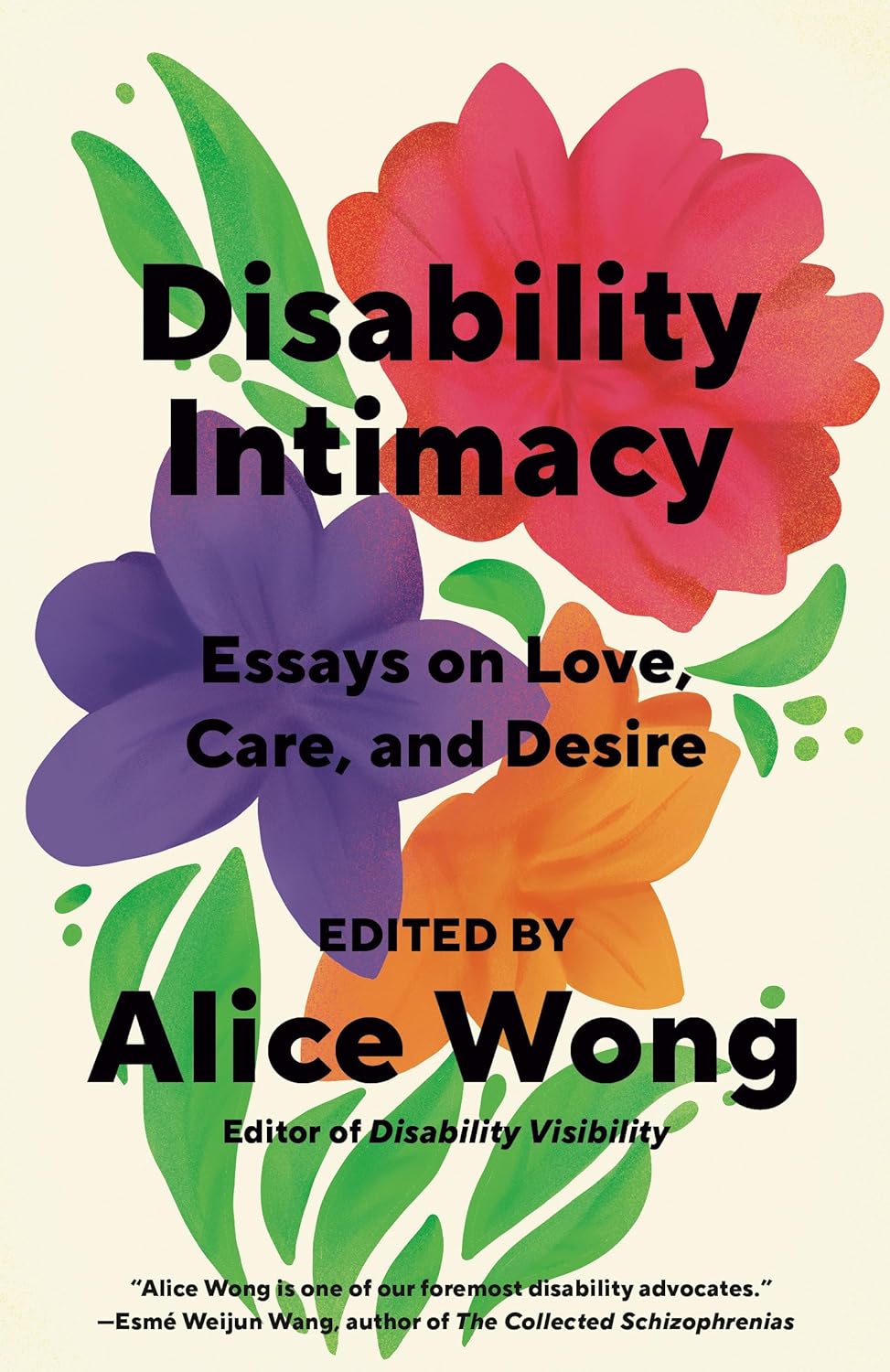
Disability Intimacy: https://amzn.to/3zuNIKn
In this new series of essays curated by Alice Wong, disabled people talk about the intimacy in their lives– the sexual and nonsexual alike. It is a well-rounded, human-centered approach on the ways in which disabled people personally experience and define intimacy in their lives. (P.S. Alice Wong’s first series of essays, Disability Visibility, is also a great read: https://amzn.to/4eZXjsR)
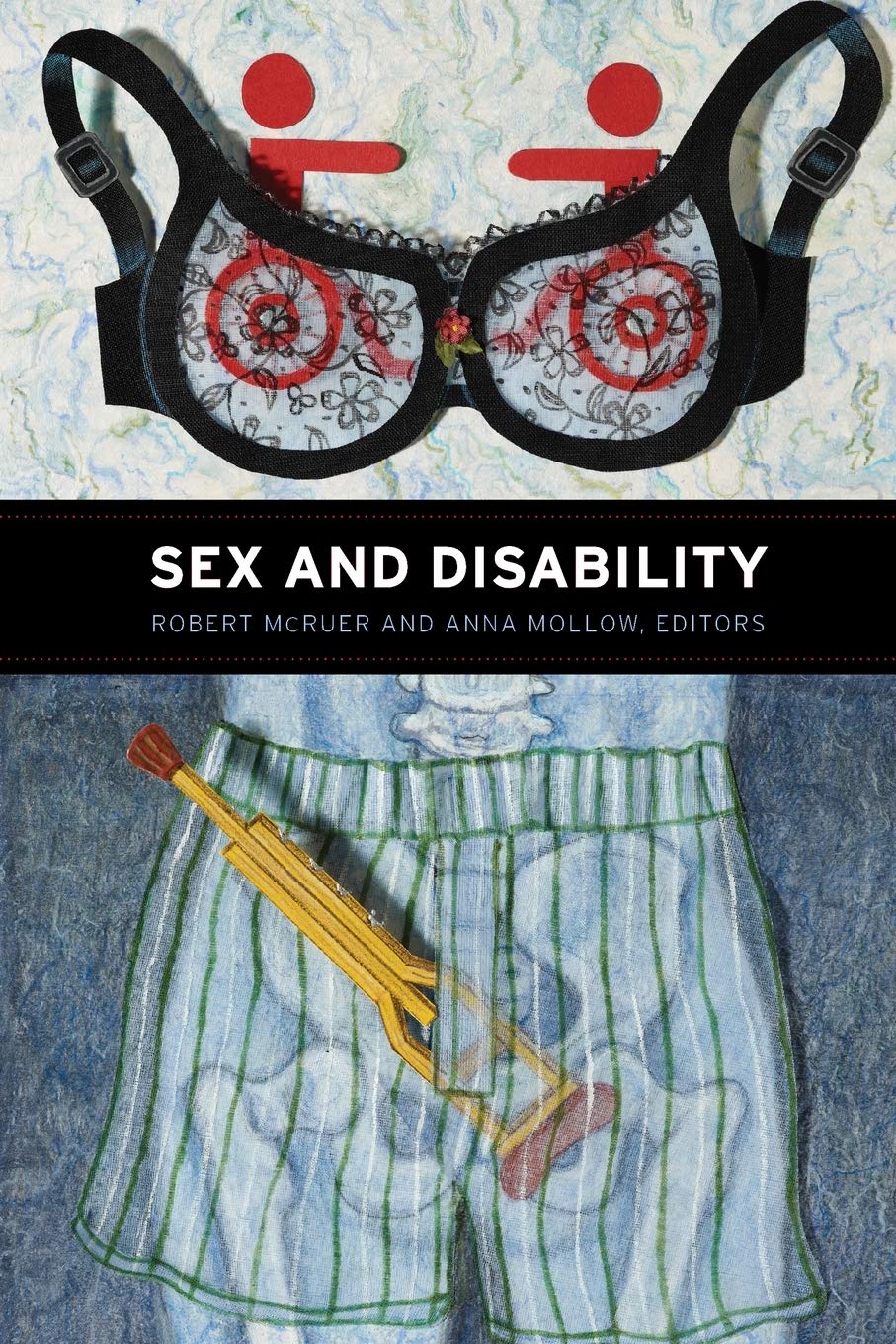
Sex and Disability: https://amzn.to/3LpOXx3
This series of essays veers into the academic. A good read for those interested less in specific advice, and more interested in cultural norms, bucking social expectations and queering disability theory.
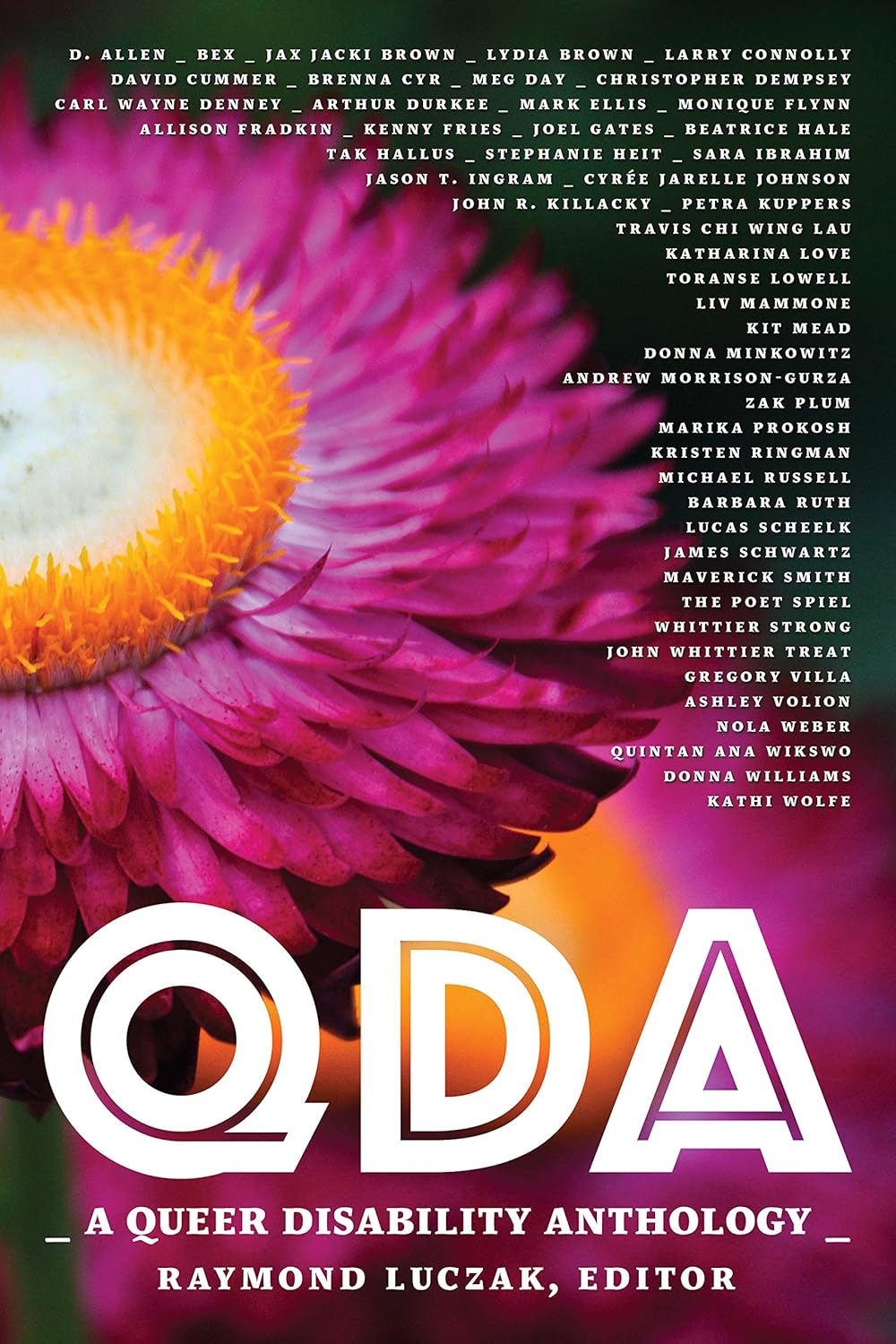
QDA: A Queer Disability Anthology: https://amzn.to/3WiLAOI
This book is a largely essay series (with some comics thrown in for good measure) exploring life and sexuality at the intersection of queerness and disability. A unique read; less academic than Sex and Disability.
Narratives
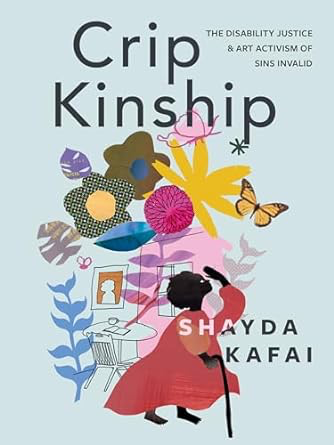
Crip Kinship: https://amzn.to/3S21ri9
This is a good read for medical professionals/students to understand how to speak and understand people in the cross-roads of disability and the LGBTQ+ communities. This text investigates the revolutionary survival teachings that disabled, queer of color communities offer to all our bodyminds. From their focus on crip beauty and sexuality to manifesting digital kinship networks and crip-centric liberated zones, Sins Invalid empowers and moves us toward generating our collective liberation from our bodyminds outward.
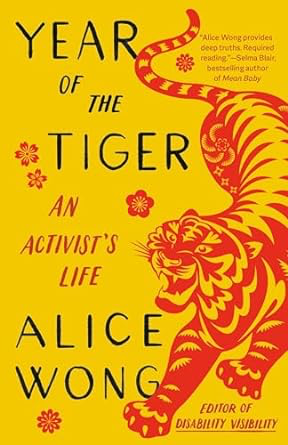
Year of the Tiger: https://amzn.to/4cDuvFg
The narrative surrounding disability can be taboo, and this text can help those who have a disability to better ground themselves in a world that is built for an ableist culture and can be troublesome for those with disabilities. As a self-described disabled oracle, Alice traces her origins, tells her story, and creates a space for disabled people to be in conversation with one another and the world.
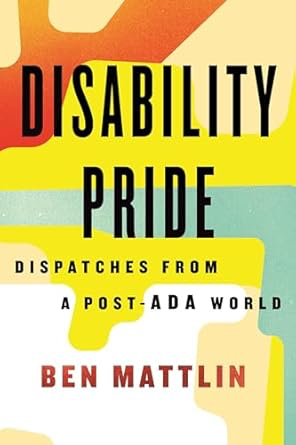
Disability Pride: https://amzn.to/4cyGBz7
This is a book which unveils a thriving disability culture, but also addresses topics for improvement. Disabled journalist Ben Mattlin weaves together interviews and reportage to introduce a cavalcade of individuals, ideas, and events in engaging, fast-paced prose. He traces the generation that came of age after the ADA reshaped America, and how it is influencing the future. He documents how autistic self-advocacy and the neurodiversity movement upended views of those whose brains work differently.
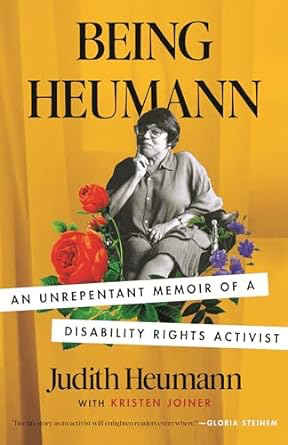
Being Heumann: https://amzn.to/4bG7EHN
One of the most influential disability rights activists in US history tells her personal story of fighting for the right to receive an education, have a job, and just be human.
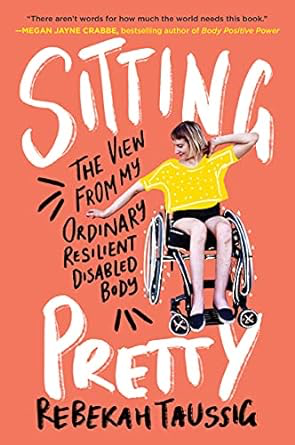
Sitting Pretty: https://amzn.to/3XT0I6R
A memoir-in-essays from disability advocate and creator of the Instagram account @sitting_pretty Rebekah Taussig, processing a lifetime of memories to paint a beautiful, nuanced portrait of a body that looks and moves differently than most.
Pain Woman Takes the Keys: https://amzn.to/3LifrAz
This book is a collection of literary and experimental essays about living with chronic pain. Huber addresses the nature and experience of invisible disability, including the challenges of gender bias in our healthcare system, the search for effective treatment options, and the difficulty of articulating chronic pain.
About Us: https://amzn.to/4cro481
This book discusses various narratives for those living with disabilities. Speaking not only to people with disabilities and their support networks, but to all of us, the authors in About Us offer intimate stories of how they navigate a world not built for them.
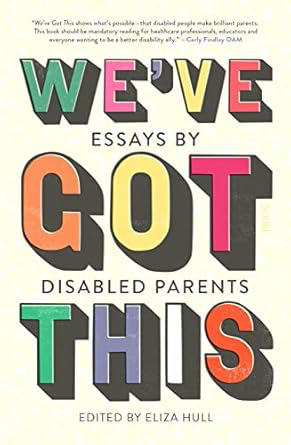
We’ve Got This: https://amzn.to/3xRSQI4
This text is a compilation of parents around the world who identify as Deaf, disabled, or chronically ill, discuss the highs and lows of their parenting journeys and reveal that the greatest obstacles lie in other people’s attitudes. The result is a moving, revelatory, and empowering anthology that tackles ableism head-on.
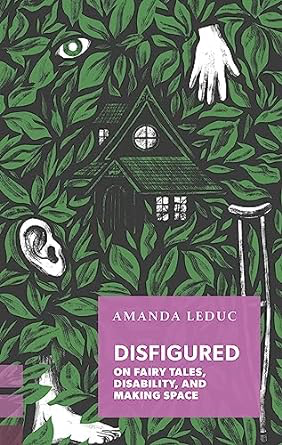
Disfigured: https://amzn.to/3LlwjXa
This is a good book for a perspective-shift of our society’s view on disabilities and perfect for healthcare students/providers to better understand the inner depths of those living with disabilities–presented in a fun way. If every disabled character is mocked and mistreated, how does the Beast ever imagine a happily-ever-after? Amanda Leduc looks at fairy tales from the Brothers Grimm to Disney, showing us how they influence our expectations and behavior and linking the quest for disability rights to new kinds of stories that celebrate difference.
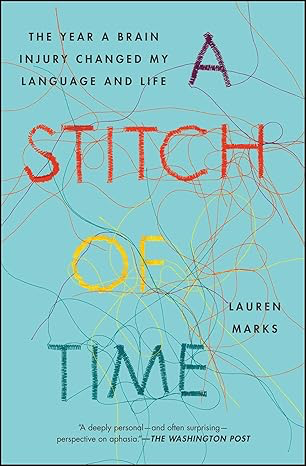
A Stitch of Time: https://amzn.to/3zCVlP1
This book is a case study of a brain slowly piecing itself back together, featuring clinical research about aphasia and linguistics, interwoven with Lauren’s narrative and actual journal entries that marked her progress.
Disabled People in Academia
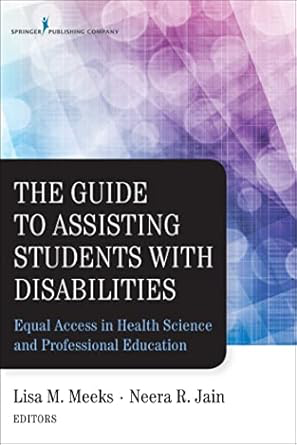
Guide to Assisting Students with Disabilities: https://amzn.to/4bBZ10L
This book is intended to describe how to meet the needs of health science students with disabilities. Students with disabilities studying health sciences face unique challenges within their educational environments that require distinct accommodations.
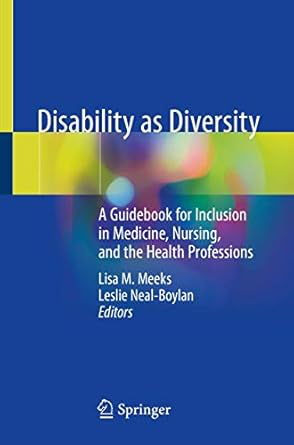
Disability as Diversity: https://amzn.to/45YeC9A
Administrators and faculty in medical, nursing and health science programs are witnessing a substantial increase in the number of students with disabilities entering their programs. Provider-patient concordance is a known mechanism for reducing health care disparities. Leaders in these areas must develop robust programs and an understanding of the best practices for inclusion to better healthcare outcomes for patients and providers alike. This first-of-its-kind title is designed to help deans, program directors, faculty, student affairs personnel and disability resource professionals thoughtfully plan for the growing population of health-care professionals with disabilities.
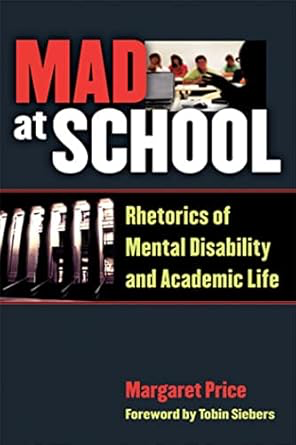
Mad at School: https://amzn.to/4cVTIu7
This is the first book to use a disability-studies perspective to focus specifically on the ways that mental disabilities impact academic culture at institutions of higher education. Individual chapters examine the language used to denote mental disability; the role of “participation” and “presence” in student learning; the role of “collegiality” in faculty work; the controversy over “security” and free speech that has arisen in the wake of recent school shootings; and the marginalized status of independent scholars with mental disabilities.
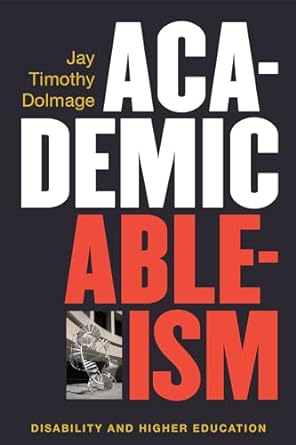
Academic Ableism: https://amzn.to/4bDI7in
This text brings together disability studies and institutional critique to recognize the ways that disability is composed in and by higher education, and rewrites the spaces, times, and economies of disability in higher education to place disability front and center. Examining everything from campus accommodation processes, to architecture, to popular films about college life, Dolmage argues that disability is central to higher education, and that building more inclusive schools allows better education for all.
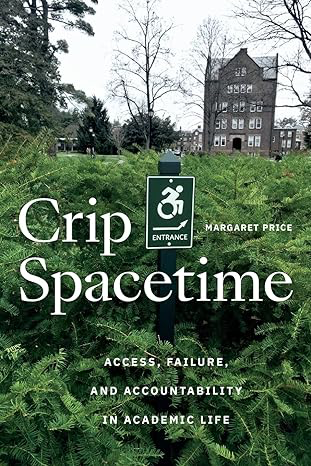
Crip Spacetime: https://amzn.to/4f2IBBm
Margaret Price intervenes in the competitive, productivity-focused realm of academia by sharing the everyday experiences of disabled academics. Drawing on more than three hundred interviews and survey responses, Price demonstrates that individual accommodations—the primary way universities address accessibility—actually impede access rather than enhance it.
As an Amazon Associate, we earn from qualifying purchases. When you buy from our links, we earn commission.